The Cost of Gutter Installation: What Homeowners Should Know
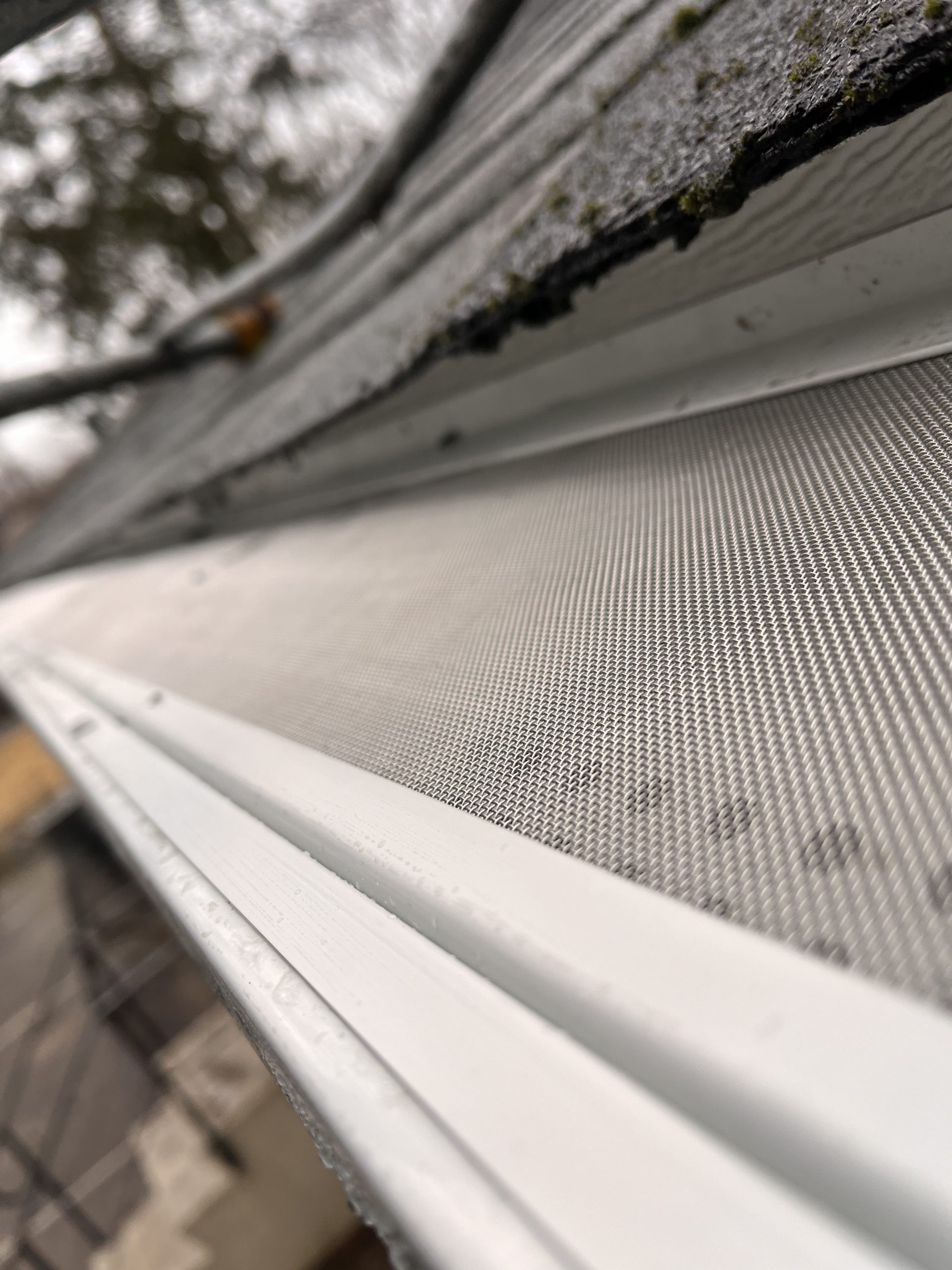
Rain gutters do a humble job, but they protect some of the most expensive parts of a house. When they work well, most people barely notice them. When they fail, the consequences show up fast: soil erosion at the foundation, stained siding, flooded flower beds, rotted fascia, basement moisture, and in colder climates, dangerous ice buildup near walkways. That is why the price of gutter installation deserves a closer look than many homeowners give it at first.
The short version is simple enough. New gutters for an average home often land somewhere between a few hundred dollars and several thousand, depending on size, material, roofline complexity, and whether old gutters have to come off first. The long version is where most of the surprises live. A low bid can leave out downspout extensions, disposal, fascia repairs, or the cost of working around steep roof sections. A high bid is not always overpriced either. Sometimes it reflects heavier-gauge metal, better hangers, more careful pitch, or a crew that knows how to protect your landscaping and siding while they work.
If you are pricing gutter installation, it helps to understand what drives the bill, where the money goes, and which upgrades are worth paying for.
Why gutter pricing varies so much
Homeowners are often puzzled when one contractor quotes a number that seems almost too good to be true while another comes in much higher for what sounds like the same job. On paper, both may be offering "new gutters." In practice, one might be installing basic sectional vinyl from stock lengths while the other is fabricating seamless aluminum on site, replacing damaged fascia sections, and adding oversized downspouts to handle a heavy roof valley.
The biggest pricing differences usually come from five variables: linear footage, material, labor difficulty, drainage design, and prep work. A small ranch house with clean fascia boards and a simple roofline is straightforward. A two-story colonial with multiple gables, dormers, long runs, and mature landscaping is not. You may be buying the same general product category, but the work is not the same.
There is also a regional element. Labor rates in dense metro areas tend to be much higher than in rural markets. Disposal fees, permit expectations, weather delays, and insurance costs can all affect what companies need to charge to stay in business.
The basic way contractors calculate cost
Most gutter installation pricing starts with linear feet. Contractors measure the perimeter roof edges that need gutters, then price materials and labor by the foot. Downspouts, elbows, splash blocks, end caps, miters, hangers, and outlets are often priced separately or folded into a package rate.
That means a home with 150 linear feet of gutters will generally cost much less than one with 250 or 300. But linear footage alone does not tell the whole story. Corners take more labor than long straight runs. Second-story work is slower and riskier than first-story work. Tight access can turn a simple job into an all-day production.
A quote that sounds cheap per foot can become less attractive once the add-ons appear. It is common to see an initial number that covers only the gutter runs, followed by separate charges for tear-off, downspouts, leaf guards, fascia repairs, and disposal. That does not make the quote dishonest, but it does mean you should compare bids carefully.
Typical price ranges homeowners can expect
Exact numbers shift by region and market conditions, so it is smarter to think in ranges than fixed national averages. For many homes, basic aluminum gutter installation can run roughly $7 to $15 per linear foot installed. Higher-end materials such as copper can push the number far beyond that, often into the $25 to $40 per linear foot range or more, especially when decorative details or difficult architectural features are involved.
For a modest single-story home, a straightforward aluminum system might land around $1,200 to $2,500. A larger two-story house with more corners and several downspouts could easily reach $2,500 to $5,000. Premium materials, custom colors, fascia replacement, and guard systems can move the total well above that.
These ranges are broad for a reason. I have seen homes that looked average from the street but needed oversize gutters because a steep roof dumped enormous volumes of water into a few concentrated valleys. I have also seen houses where the gutter line itself was affordable, but rotted wood behind the old gutters changed the job halfway through. The visible metal was never the whole project.
Material choices and how they affect the bill
Material is one of the clearest cost drivers in gutter installation, and each option has a different balance of upfront price, lifespan, appearance, and maintenance.
Aluminum is the workhorse. It is widely available, relatively affordable, rust-resistant, and light enough to install efficiently. For most homeowners, seamless aluminum offers the best mix of value and performance. It comes in many colors, holds up well in normal conditions, and does not carry the heavy cost of premium metals.
Vinyl sits on the lower end of the price spectrum. It can make sense for sheds, garages, or homes in mild climates where budgets are tight. The drawback is durability. Vinyl can become brittle over time, especially in regions with freeze-thaw cycles or intense sun. Seams are also more prone to leakage as parts age and shift. Cheap installation today can mean another replacement sooner than expected.
Steel is stronger than aluminum and may appeal in areas with heavy snow or severe weather, but it is heavier and can rust if coatings fail. It is less common in many residential markets because aluminum usually meets the need at a lower price with less maintenance risk.
Copper is the premium choice. It is beautiful, durable, and often used on historic or high-end homes. It also requires skilled installation and carries a substantially higher material cost. Copper is rarely the economical answer, but homeowners who choose it usually do so for longevity and architectural character, not bargain pricing.
Seamless versus sectional, a cost difference that matters
If there is one feature worth understanding before signing a contract, it is the difference between seamless and sectional gutters. Sectional gutters are assembled from pre-cut pieces joined together during installation. Seamless gutters are formed in long runs on site, cut to fit the house precisely, with joints mainly at corners and downspout connections.
Seamless systems usually cost more upfront, but they tend to leak less and require less maintenance over time because they have fewer seams. For that reason, most professional installers recommend them for primary residences. Sectional systems may still be appropriate for smaller structures or low-budget applications, but they often create more maintenance calls down the road.
A homeowner comparing two bids may think one contractor is overpriced when, in reality, the higher quote includes seamless fabrication and the lower quote does not. That distinction alone can explain a significant cost gap.
Labor is not a small line item
People sometimes assume gutters are just metal strips screwed to the edge of the roof, so labor should be minimal. That is not how the work feels on the ladder. Proper installation requires careful pitch, solid fastening into sound backing, clean corner assembly, correctly sized outlets, and thoughtful downspout placement. Water has to move away from the house without overshooting splash areas or draining into problem zones.
Labor costs rise when crews have to work high off the ground, navigate steep grades, or protect complex landscaping. Tall ladders, roof safety equipment, and slower material handling all increase time on site. A second-story rear elevation above a deck or sloped yard can add noticeable cost compared with a flat, accessible front eave.
There is also a quality difference in labor that homeowners cannot always see from the driveway. Experienced crews check for sagging fascia, verify that hangers are spaced appropriately, and avoid creating reverse pitch sections that collect water. Less careful installers may get the gutters up quickly, but a system that overflows in one corner during the first storm was never truly finished.
The hidden costs that often show up late
Some of the most important costs in gutter installation are not obvious until the old system comes down. This is where budget planning matters.
Fascia and soffit repairs are common. Gutters that have overflowed for years can rot the wood they are attached to. Once the old metal is removed, the installer may find soft spots, insect damage, or sections that cannot safely hold new fasteners. Homeowners are often caught off guard by this, especially if the paint looked intact from the ground.
Drainage corrections can also add cost. A home may need more downspouts than the old setup had, or larger downspouts to handle roof runoff. Sometimes a contractor will recommend 6-inch gutters instead of standard 5-inch ones, especially for large roof planes or steep pitches. That upgrade costs more, but it can solve chronic overflow that a cheaper like-for-like replacement would not fix.
Removal and disposal are another line item to watch. Some bids include it, some do not. The same goes for downspout extensions, underground drain tie-ins, and splash blocks. If those details are missing, ask before work starts.
Here is what a solid estimate should spell out clearly:
- The total linear footage of gutters and the size being installed.
- The number and size of downspouts, plus where they will discharge.
- Whether the system is seamless or sectional, and the material gauge or thickness if relevant.
- What happens to existing gutters, debris, and damaged wood discovered during removal.
- Whether accessories such as gutter guards, splash blocks, and extensions are included.
A contractor who can explain these points in plain language usually understands the work. A contractor who brushes them off may be relying on the fact that most homeowners do not know what to ask.
When bigger gutters are worth the money
Many houses do fine with standard 5-inch gutters, but not all roofs behave the same way. Large roof planes, sharp pitches, concentrated valleys, and regions with intense downpours can overwhelm a system that is technically installed correctly but undersized for the water load.
https://johnathanwweb462.yousher.com/the-cost-of-gutter-installation-what-homeowners-should-knowThat is when 6-inch gutters and larger downspouts make sense. They cost more in material and sometimes in labor, but they are often cheaper than replacing fascia boards or dealing with recurring overflow. If you have ever watched water leap over the front edge of your gutter during a hard storm, even after a cleaning, size may be the real issue.
This is one of those places where the cheapest quote can be the most expensive in the long run. Replacing old 5-inch gutters with new 5-inch gutters will not fix a capacity problem. It only refreshes the hardware.
The real value of gutter guards, and when they are not worth it
Gutter guards can add a meaningful amount to the overall price, and opinions about them are often stronger than the products deserve. Some homeowners swear by them. Others regret the expense. Both can be right depending on the tree cover, roof design, and product quality.
In heavily wooded areas, guards can reduce the frequency of cleaning and keep downspouts from clogging with leaves. They are especially helpful where access is difficult, such as second-story runs above porches or steep landscaping. On the other hand, guards do not eliminate maintenance entirely. Pine needles, seed pods, roof grit, and fine debris can still build up, and some guard designs perform much better than others.
The key question is not whether guards are universally good. It is whether they solve your specific maintenance problem. If your home has very little tree debris and your gutters are easy to access, the added cost may not pay back. If you clean overflowing gutters three times every fall, the math looks different.
Repair versus full replacement
Not every failing system needs full gutter installation. Sometimes a repair is enough. Re-securing loose sections, resealing joints, adjusting pitch, or replacing a damaged downspout can extend service life at a fraction of the cost. But there is a point where repeated patchwork stops making financial sense.
Older sectional gutters with multiple leaks, visible corrosion, frequent clogs, or persistent sagging usually deserve a replacement conversation. If the gutters are pulling away from rotted fascia, repairs can become a cycle of temporary fixes. A homeowner may spend a few hundred dollars every year or two and still have basement moisture and mulch washout after heavy rain.
One practical rule is this: if the system has several different failure points at once, and especially if it is nearing the end of its expected lifespan, it is usually smarter to replace than repair. Paying once for a properly designed system often costs less than chasing problems season after season.
Architectural details can raise costs quickly
The homes that look the best in real estate photos often cost more to outfit with gutters. That is not a criticism, just a reality. Every dormer, turret, bump-out, inside corner, and curved section increases labor and fabrication demands. Long straight eaves are efficient. Decorative complexity is not.
Historic homes can be especially tricky. They may need custom brackets, half-round gutters, copper work, or careful integration with original trim profiles. Access is often harder, and preserving appearance matters more. The result is a more specialized job with a different price profile than standard suburban tract housing.
Even newer homes can carry hidden complexity. Covered patios, solar panel arrangements, tall retaining walls, and integrated drainage systems all affect installation time. That is why good contractors prefer to measure in person rather than quote from satellite images alone.
Climate changes what "affordable" means
A budget-minded gutter decision in one region can be a costly mistake in another. Climate should influence both material choice and system design.
In areas with heavy snowfall, stronger fastening and clean drainage matter because ice and snow add weight. In places with frequent cloudbursts, oversize gutters and downspouts may be a smart upgrade even if local codes do not require them. Coastal areas bring corrosion concerns, which can shift the material conversation. Hot, dry regions may be easier on some materials but harsher on others, especially vinyl exposed to years of intense sun.
Homeowners often focus on what the gutters cost to install. A better question is what they cost to own in your climate over ten or fifteen years. The cheapest option on day one may not stay cheap if it cracks, warps, rusts, or needs constant maintenance.
Signs the estimate is too low, or too high for the wrong reasons
There is healthy price competition in this trade, but there are also shortcuts. Very low bids often hide one of three issues: under-scoped work, low-grade materials, or rushed labor. You may not discover the problem until the first big storm.
Watch for quotes that seem light on details, especially around hanger spacing, downspout count, disposal, and wood repair contingencies. It is also worth asking who will actually do the work. A reputable company with insurance, trained crews, and warranty backing generally cannot compete with someone pricing a side job out of the back of a pickup. That does not mean the most expensive company is automatically best. It means extreme bargains deserve scrutiny.
At the high end, price inflation can happen when sales presentations lean hard on brand names or accessories that do not match the home's needs. A sophisticated pitch is not the same as a better system. If a contractor insists on premium upgrades without explaining the drainage logic behind them, get another opinion.
Questions worth asking before you hire anyone
Most gutter projects go more smoothly when the homeowner asks a few direct questions before work begins. You do not need to become a drainage engineer, but you should know how the contractor is thinking about your house.
Ask whether the proposed size is based on roof area and water volume or simply on what they usually install. Ask how they determine downspout placement. Ask what they will do if they uncover rotted fascia. Ask whether the quote includes removing all old materials and hauling them away. Ask what kind of warranty applies to both materials and workmanship.
These questions are practical, not confrontational. Good contractors answer them easily because they have already thought through the job.
Budgeting for the project without getting burned
If you are planning gutter installation as part of broader exterior work, try not to treat it as an afterthought. Coordinating gutters with roof replacement, fascia repair, paint work, or siding projects can save money and avoid duplicated labor. It is much easier to address drainage properly when related components are being worked on at the same time.
Set your budget with room for contingencies, especially if the house is older. Hidden wood damage is common enough that I would not plan to the penny. If a quote comes in at the top of what you can afford, ask whether there are sensible adjustments that preserve performance, such as postponing guards rather than dropping to an inferior gutter material.
A few cost-saving moves make sense. Others do not. It is reasonable to compare bids, simplify accessory choices, or schedule work during a less busy season if the company offers off-peak pricing. It is less wise to shave dollars by reducing downspouts, skipping necessary fascia repair, or choosing undersized gutters for a roof that clearly needs more capacity.
Where the money usually pays back
Unlike a kitchen remodel, new gutters are not glamorous. They do not impress guests the way stone counters or hardwood floors do. But they protect parts of the home that are far more expensive to fix than the gutters themselves.
Water control is foundational. A well-planned gutter installation can reduce basement seepage, preserve painted trim, protect landscaping, limit soil washout, and extend the life of fascia and siding. Those benefits are easy to overlook because they show up as problems avoided rather than features added. Yet homeowners who have dealt with chronic overflow understand the value immediately the first time a hard rain hits and the water finally goes where it should.
If you are trying to decide what level of system to buy, focus less on the sticker price and more on fit. The right system is the one sized for your roof, installed with care, and built from materials that make sense for your climate and budget. That is where the cost of gutter installation becomes an investment rather than just another invoice.
Just Gutters LLC
Address: 262 Main St, Hackettstown, NJ 07840
Phone number: +12013319454
FAQ About Gutter Installation Hackettstown
Can I install a gutter myself?
Yes, you can install gutters yourself. DIYers typically use aluminum or vinyl sections from home improvement stores. The project requires basic tools, precise measuring, and comfort working on ladders. Key steps include snapping a chalk line for a slight slope (1/4 inch per 10 feet toward downspouts), securing hangers every 2 feet, and caulking all joints securely.
How much does body contouring usually cost?
The Home Depot typically charges between $1,000 and $3,600 for a standard professional gutter installation on a typical single-family home with 200 linear feet of gutters. Calculated on a per-foot basis, the cost usually ranges from $5 to $18 per linear foot, highly dependent on the material you select.
How much does a 40 ft seamless gutter cost?
A 40 ft seamless gutter run will cost between $240 and $1,120+ fully installed, depending on the material you choose. Because seamless gutters require specialized on-site fabrication machines, they are rarely sold as DIY kits and are priced per linear foot.