How Often Should You Schedule Gutter Repair Inspections?
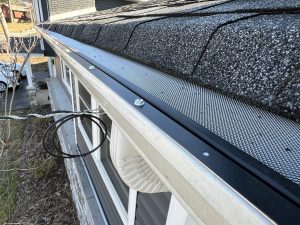


Gutters have a way of slipping down the priority list until they stop doing their job. Then the consequences show up fast, and rarely where you expect them. A stain along the fascia, water spilling over the edge during a hard rain, mulch washed out of a flower bed, a damp spot in the basement, peeling paint near the soffit. By the time most homeowners notice a problem, the issue has usually been building for months.
That is why the better question is not simply whether you need Gutter Repair, but how often you should inspect for it before damage spreads. The answer depends on your roofline, the number of nearby trees, your local weather, and the age of the gutter system. Still, there are some dependable scheduling rules that work for most homes.
For the average house, a professional gutter inspection once a year is a sensible baseline. For homes surrounded by mature trees, exposed to frequent storms, or already showing signs of wear, twice a year is often the smarter choice. Beyond that, certain events should trigger an extra inspection no matter when the last one happened. Heavy wind, hail, ice, a roof replacement, and visible overflow all move you out of the routine category and into a targeted inspection schedule.
The key is understanding what inspectors are actually looking for, and why timing matters more than many people realize.
Why inspection timing matters more than people think
A gutter system does not have to fail completely to cause expensive damage. In practice, many of the worst moisture problems start with small, easy-to-miss defects. A loose fastener can alter pitch just enough to hold standing water. A seam can open by a fraction of an inch and drip against the fascia board every time it rains. A downspout elbow can partially clog and send water over the front lip, where it lands too close to the foundation.
None of those problems looks dramatic from the yard. Yet over one season, or two, they can rot trim, stain masonry, encourage mold growth, and erode the soil that helps direct runoff away from the house. If you have a basement or crawl space, poor drainage at the roof edge can also contribute to moisture where you least want it.
The timing of inspections matters because gutters age unevenly. They expand in summer heat, contract in winter cold, catch debris in autumn, and carry the heaviest water loads during spring storms. If you only look when something is obviously wrong, you miss the window where minor Gutter Repair is quick and reasonably priced.
I have seen homes where a simple bracket replacement would have solved the issue six months earlier. By the time the owner called, the sagging run had pulled away from the fascia, the wood behind it was soft, and the repair was no longer limited to the gutter itself. That is the pattern inspections are meant to interrupt.
A practical baseline for most homes
If your home is in average condition, with a standard asphalt shingle roof, no major overhanging tree canopy, and no history of drainage trouble, schedule one professional inspection each year. For many owners, late spring or early fall works best.
Late spring inspections catch problems that developed over winter. Freeze and thaw cycles can stress joints, loosen spikes or hidden hangers, and reveal low spots where water lingered. Spring also tends to expose clogs, because seed pods, blossoms, and roof grit accumulate after the cold season.
Early fall inspections make sense if you want the system evaluated before heavy leaf drop and winter weather. This timing is especially useful if your area gets ice, because a poorly pitched or partially blocked gutter is much more likely to contribute to ice dam trouble when temperatures swing.
A once-yearly schedule is not neglect. It is a reasonable maintenance rhythm for a low-risk property. But it only works if the inspection is more than a quick glance from the driveway. Someone needs to assess alignment, fastening, seams, downspout flow, outlet condition, and the surrounding trim. A lot of failures hide at connection points.
When twice a year is the better choice
Many homes do not fit the low-risk profile. If yours sits under oak, pine, maple, or sycamore trees, or if your roof catches wind-driven debris from neighboring lots, annual inspections can be too sparse. The same is true for houses in storm-prone regions or properties with older gutters that have already needed patching in the past.
Twice-yearly inspections, usually once in spring and once in fall, give you a better chance of catching wear before it becomes structural damage. This schedule is often worth it for homes with second-story rooflines, complex valleys, long gutter runs, or multiple downspout transitions. Those features are not inherently bad, but they create more places for debris buildup and water concentration.
There is also a simple age factor. Gutters that are ten to fifteen years old, depending on material and installation quality, deserve closer attention than newer systems. Aluminum can loosen at fasteners over time. Steel can develop corrosion. Vinyl becomes brittle and more vulnerable to cracking, particularly in climates with temperature extremes.
In those cases, two inspections per year are less about caution and more about realism. Older systems do not usually fail all at once. They start by telegraphing stress in small ways. The goal is to catch those signals before you are paying for fascia replacement, soffit repair, repainting, or drainage correction around the foundation.
Conditions that call for an extra inspection
Routine scheduling covers only part of the picture. Certain events justify an additional inspection even if you had one recently.
- A major windstorm, hailstorm, or ice event
- Water spilling over the gutter edge during rain
- A roof replacement or other work along the roofline
- Visible sagging, separation, rust spots, or leaking joints
- Basement dampness or fresh erosion near the foundation after storms
Storms are an obvious reason, but post-roof-work inspections deserve just as much attention. Roofing crews do their job at the roof surface. That does not always mean the gutters come through untouched. I have seen downspouts knocked loose, guards bent, and gutter pitch altered slightly when ladders and materials were moving all day. No one set out to damage anything, but it happens.
The same logic applies after siding, fascia, or exterior painting work. Any trade operating along the roof edge can disturb hangers, seams, or downspout straps. A quick inspection after the job is cheap insurance.
What a good gutter inspection should actually cover
A proper inspection is not just about whether the trough is full of leaves. Cleaning matters, but inspection goes further. The person evaluating the system should consider how water enters, moves through, and exits the entire assembly.
They should look at pitch first. Gutters need a slight slope toward the downspouts. Too little pitch and water ponds. Too much pitch and you can create odd flow behavior or an appearance problem along the roofline. The slope does not need to be dramatic, but it does need to be intentional and consistent.
Fastening is next. Loose hangers, backed-out spikes, failing ferrules, and weakened fascia connection points are common causes of sagging. In older systems, https://collinsldv163.talesignal.com/posts/gutter-repair-that-helps-prevent-mold-and-mildew-growth the fastener may still be present but no longer biting into sound wood. That is a different repair than simply tightening hardware.
Seams, miters, corners, and outlets deserve close attention because these are frequent leak points. Sealants age. Metal shifts. Debris sits wet in corners longer than it should. A tiny leak at a corner can stain trim for a surprisingly long time before anyone notices.
Downspouts also need a flow check. A gutter can look fine at the top and still fail because water cannot exit efficiently. Clogs often form at the outlet or elbow, and disconnected underground drain extensions are another overlooked issue. If the roof edge is working but the discharge point is compromised, you still have a drainage problem.
Finally, the inspector should consider the surfaces around the gutter. Fascia boards, soffits, siding, masonry, and even landscaping tell a story. Water tracks leave clues. Splash marks, rot, mildew, and eroded soil often confirm that the issue has been ongoing longer than the gutter itself suggests.
Seasonal timing that works in the real world
For most homeowners, inspection planning gets easier when it follows the weather instead of the calendar alone. Certain seasons reveal certain problems more clearly.
Spring is ideal for finding winter damage. Snow load, ice buildup, and freeze-thaw movement can open seams or pull fasteners loose. Spring rain also gives you a direct view of performance. If a section overflows or drips at a joint, you can see it in action.
Summer is useful for repairs because crews generally have better working conditions and sealants cure more reliably in dry weather. It is also the season when homeowners notice overflow affecting patios, decks, and planted beds during thunderstorms.
Fall is the critical checkpoint if leaves are part of your life. An inspection before peak leaf drop helps you correct pitch issues, secure loose sections, and make sure downspouts are ready. Waiting until late fall, after repeated debris buildup, often means the system has already been under strain for weeks.
Winter inspections are more selective, but they matter after storms or in homes prone to ice damming. You may not want routine work done on an icy roof edge unless necessary, yet winter symptoms can reveal design or drainage flaws that are harder to diagnose later.
The difference between cleaning and inspection
Homeowners often assume that if the gutters were cleaned, they were also inspected. Sometimes that is true. Often it is not.
A cleaning service may remove debris thoroughly but spend little time evaluating pitch, seams, hanger spacing, outlet condition, or the integrity of surrounding wood. On the other hand, a detailed inspection may identify needed Gutter Repair but not include full debris removal unless it was part of the scope.
That distinction matters because a clean gutter can still leak, sag, or discharge improperly. I have seen newly cleaned systems that looked great from the ground and still poured water behind the gutter because the apron flashing was misaligned. The homeowner thought the problem had been handled, since the leaves were gone. What actually needed attention was the interface between the roof edge and the gutter.
When you schedule service, ask directly whether the visit includes inspection for repair needs or only cleaning. It sounds like a small wording issue, but it changes what you are paying for.
Homes that need more frequent attention
Some properties simply ask more from their gutters than others. Tree coverage is the most obvious factor, but it is not the only one.
Steep roofs concentrate water quickly, especially during intense rain. Long gutter runs can magnify pitch problems. Valleys dump high volumes into localized sections, which means a small clog there can create major overflow. Coastal conditions accelerate corrosion in some materials. Freeze-heavy climates expose every weak seam and poorly supported span.
Then there are architectural details. Dormers, intersecting rooflines, screened porch tie-ins, and decorative fascia can all complicate the path water takes. None of these features is inherently flawed, but they reduce the margin for error. A home like that benefits from regular eyes on the system, because one compromised section may affect several adjacent areas.
If you own a property with a history of leaks or repeated repairs, do not keep using a generic once-a-year rule just because it sounds efficient. Past problems are data. They usually point to a recurring stress point, whether that is overflow at one valley, separation at a corner, or poor discharge near the foundation. Inspection frequency should respond to what the house has already shown you.
Warning signs between scheduled visits
Even with a good inspection schedule, homeowners should know what signs justify a closer look. You do not need to climb a ladder to notice most of them. A walk around the house during or shortly after a storm can tell you plenty.
Watch for water running over the front edge instead of into the downspout. Check whether one area drips long after the rain stops, which can signal trapped water. Look for dark streaks on fascia or siding, loose downspout straps, pooled water near the foundation, or mulch displaced in a narrow trench below the eave.
Inside the house, the clues are less obvious but just as important. Paint bubbling near upper walls, damp basement corners, and musty smells after heavy rain can all relate to roof drainage problems. That does not mean the gutter is always the only cause, but it should be investigated.
One of the most telling signs is repeat behavior. If the same corner overflows every hard rain, or the same downspout clogs twice a season, you are likely dealing with more than random debris. There may be a pitch issue, an undersized outlet, a bad transition, or a section that was never designed well for the water volume it receives.
Professional inspections versus a homeowner check
There is value in both. A homeowner should absolutely keep an eye on visible performance. That kind of casual monitoring catches active issues faster than waiting for the next annual appointment. But it is not a substitute for a trained inspection, especially on taller homes or systems with multiple roof elevations.
A professional brings a different level of judgment. They can tell the difference between a cosmetic stain and a leak path, between normal aging and hardware that is on the verge of failure. They are also more likely to spot related issues such as flashing problems, fascia deterioration, or improperly terminated downspout extensions.
Safety is part of this equation too. Many gutter problems happen along steep roof edges, over hardscape, or above landscaping that makes ladder placement tricky. If checking the system requires stretching, moving across a roof, or climbing to a second story, it is usually worth paying for experience rather than gambling on a quick personal inspection.
Cost, timing, and the repair window
One reason inspections get postponed is the belief that repairs can wait until there is more to fix, so the service call feels more worthwhile. That logic backfires. Smaller repairs are usually simpler to schedule, less invasive, and less expensive. They also preserve more of the original system.
A resealed seam, a rehung section, or a corrected downspout connection often costs far less than replacing rotted fascia and repainting exterior trim after months of hidden leakage. Timing matters because many gutter issues worsen through repeated wetting. Once wood is involved, repair costs rise quickly.
There is also the seasonal bottleneck. Exterior contractors get busy after storms and during peak fall maintenance season. If you wait until the first dramatic overflow in November, you may be competing for service at exactly the moment everyone else discovered they have the same problem. Scheduled inspections help you get ahead of that rush.
A schedule that fits most situations
If you want a practical rule you can actually follow, use this framework:
- Once a year for newer, low-risk homes with minimal tree debris
- Twice a year for homes with mature trees, older gutters, or complex rooflines
- An extra inspection after major storms or any roofline construction
- Immediate attention if water overflows, sags appear, or foundation drainage changes
That schedule is not rigid. It is a starting point. The right frequency depends on what your property keeps telling you. A quiet suburban ranch with open sky overhead has different needs than a tall older home shaded by maples and backed by pines. Treat those houses the same and one of them will be over-serviced while the other falls behind.
The real goal of inspection scheduling
The purpose of gutter inspections is not to create another maintenance chore. It is to protect the places water reaches after the gutter fails to manage it. Gutters sit at the edge of the roof, but their effects travel to siding, trim, insulation, landscaping, foundations, and basement walls. That is why timing matters.
For most properties, yearly inspection is enough to stay ahead of trouble. For higher-risk homes, twice a year is a better standard. And when storms hit or visible symptoms show up, do not wait for the routine appointment. Water damage rarely improves with patience.
A good inspection schedule keeps Gutter Repair small, targeted, and predictable. That is the real win. Not just cleaner gutters, but fewer surprises, fewer emergency calls, and a house that sheds water the way it was meant to.
Just Gutters LLC
262 Main St
Hackettstown, NJ 07840, United States
Phone: +1 201-331-9454
FAQ About Gutter Repair
Is it cheaper to repair or replace gutters?
Repair can cost less when damage is limited and the remaining system is sound. Replacement may offer better value when leaks, corrosion, or repeated failures affect several sections. An inspection and written estimate can help compare the options.
Can damaged gutters be repaired?
Many localized problems, including leaking joints, loose brackets, sagging sections, and damaged downspout connections, can be repaired. The best approach depends on the material, extent of damage, and condition of the mounting surface.
Can I repair gutters myself?
Simple ground-level checks may help identify a problem, but roof-edge work carries fall risks and may require specialized tools. Professional assessment is advisable for high gutters, loose sections, hidden wood damage, or uncertain drainage problems.